Mathematics Curriculum Expert – Krishnadas Paleri
Contributions Across School and Society
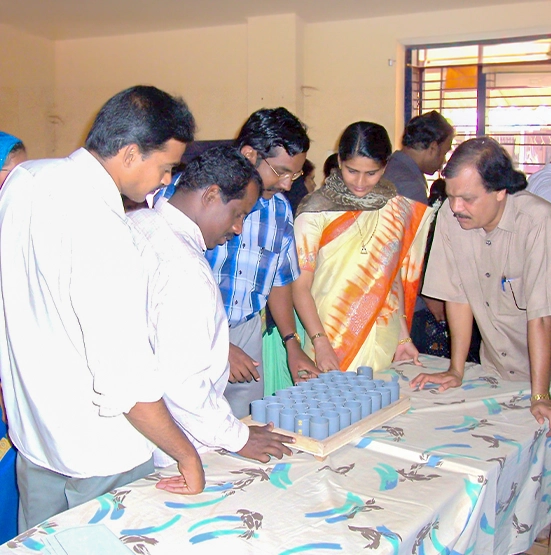
Krishnadas Paleri’s contributions bring together Mathematics education, curriculum work, environmental learning, educational films, writing, school development, and public education. His profile is strongly connected with the keyword Mathematics Curriculum Expert, because his work includes SCERT textbook contribution, NCERT-linked graded learning materials, Mathematics resource preparation, teacher mentoring, and activity-based classroom methods. His contribution was not limited to teaching lessons; he helped children learn through visual Mathematics, Mathematics Labs, puzzles, field visits, documentaries, books, articles, and community-supported school activities.
His Educational and Social Contributions show how learning can connect with nature, society, children, teachers, parents, and local communities. Through wetland studies, sacred grove documentation, Eco Club activities, environmental documentaries, school-community initiatives, COVID digital learning support, public awareness activities, and educational writing, he extended education beyond the classroom without losing its academic purpose. His work helped children understand Mathematics, environment, values, responsibility, and society through direct participation, observation, discussion, and practical experience.
Environmental Education
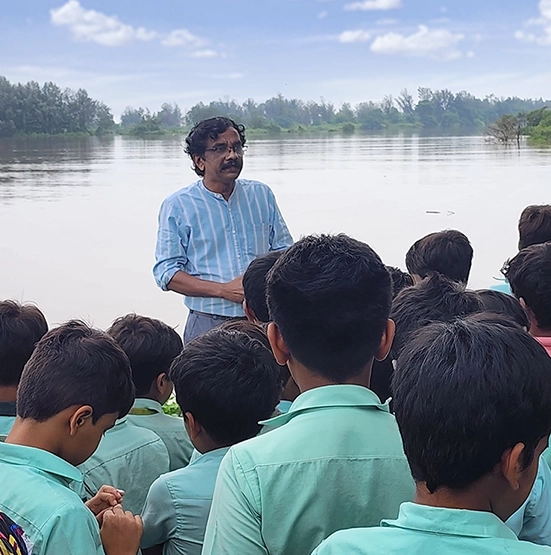
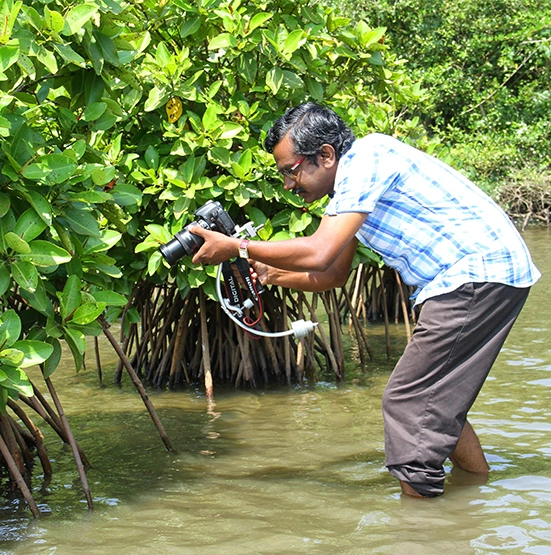
Learning about nature becomes stronger when children step outside and study the places around them. In Krishnadas Paleri’s work, children explored rivers, wetlands, sacred groves, plants, birds, water sources, and local ecology through field visits, observation, interviews, and documentation. Projects such as Olavum Theeravum and Kaavu Padanam helped students understand environment through places they could see, walk through, question, record, and discuss.
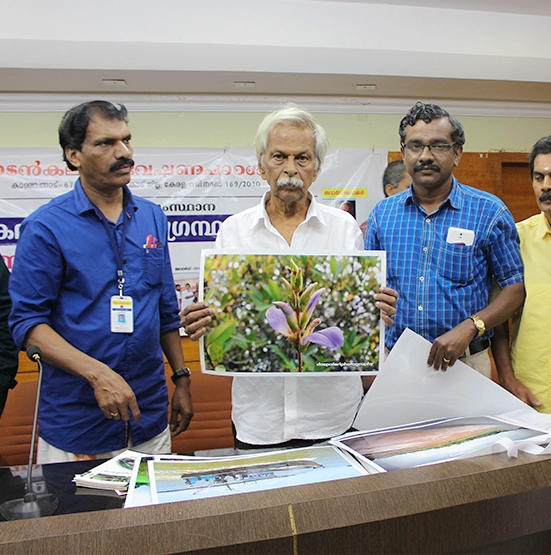
His contribution also includes wetland studies, river journeys, Eco Club activities, nature walks, photo exhibitions, conservation pledges, and environmental documentaries. Children learned to connect biodiversity, community life, water security, and conservation responsibility with their own surroundings. Through this work, nature learning became a practice of careful observation, public awareness, student participation, and respect for local ecosystems.
Films & Documentaries
For Krishnadas Paleri, films and documentaries became serious learning tools inside and outside the classroom. He used short films, educational videos, documentaries, and visual stories to support value education, language learning, environmental awareness, and student discussion. His films helped children observe situations, understand emotions, listen carefully, speak about what they noticed, and connect classroom lessons with real social and environmental issues.
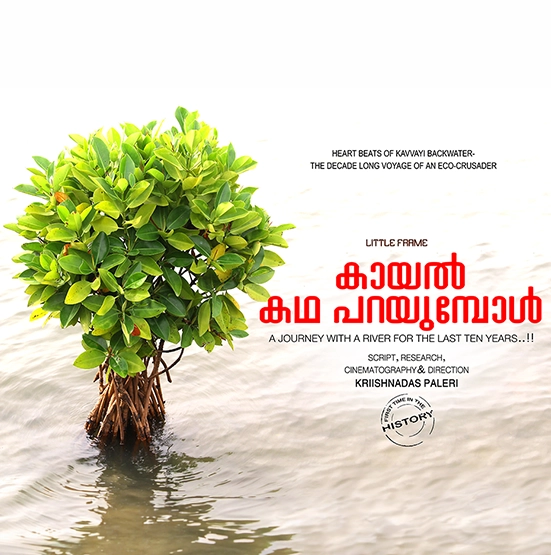
His visual work includes documentaries on wetlands, Kavvayi Backwater, sacred groves, Pachathuruthu, and other nature-based themes. Through works such as Kaavukal Naadinte Kaavalal and Kanal Poovu, he connected field learning, storytelling, student response, and public awareness. Films were not used only for screening; they became part of discussion, documentation, reflection, and classroom activity. This work shows how visual media can support learning, values, observation, and responsible thinking.
School And Society
His work also addressed COVID learning support, digital device access, WhatsApp classes, Google Meet learning, and parent communication during difficult times. Beyond academics, he organised activities on nutrition, hygiene, gender equality, scientific temper, health awareness, digital behaviour, and national integration. Through Gandhiji clips, patriotic songs, national festivals, and Oru Bharatham Orooru Janam, he helped children understand society, responsibility, diversity, and public life through school-based activities.
Books And Articles
His written work includes educational articles, Mathematics writing, environmental articles, field notes, documentary scripts, photo features, and learning content. These writings record important areas of his journey, including visual Mathematics, wetland studies, sacred groves, student participation, teacher support, and community-linked education. Through books and articles, he shares ideas useful to teachers, students, parents, Eco Clubs, libraries, and readers interested in education, nature, and society.
Recognised Work in Teaching and Films
His recognitions also include Vidyarangam Kalasahithya Vedi, Kasaragod Revenue District Mathematics Association appreciation, NCERT, SCERT, and SSA certificates, workshop recognitions, and other testimonials. These honours document his role in curriculum work, textbook development, graded learning material, Mathematics activities, teacher mentoring, and educational resource preparation. Together, they show a career recognised through specific work, verified contribution, and continued service to public education.
Years


Contributions of Krishnadas Paleri
Mathematics, nature, public education
Krishnadas Paleri’s contributions show how education can grow through Mathematics, nature, films, writing, teacher support, and school-community participation. His work as a Mathematics Curriculum Expert is reflected in SCERT textbook contribution, NCERT-linked graded learning materials, Mathematics resources, teacher mentoring, activity-based learning, and classroom-tested methods. These contributions helped children understand concepts through materials, observation, field visits, discussion, documentation, and direct participation, while also helping teachers use practical methods inside real classrooms.
His Educational and Social Contributions remain relevant for schools, training institutions, Eco Clubs, libraries, public education groups, and community organisations. Schools, teachers, education departments, environmental groups, children’s organisations, and social learning platforms can associate with Krishnadas Paleri for Mathematics curriculum guidance, teacher training, environmental education, educational films, learning material development, student camps, field-based learning, and public awareness programmes. His work continues to connect children, teachers, communities, nature, and public education through learning that is practical, responsible, and useful beyond one classroom.